Table Of Content
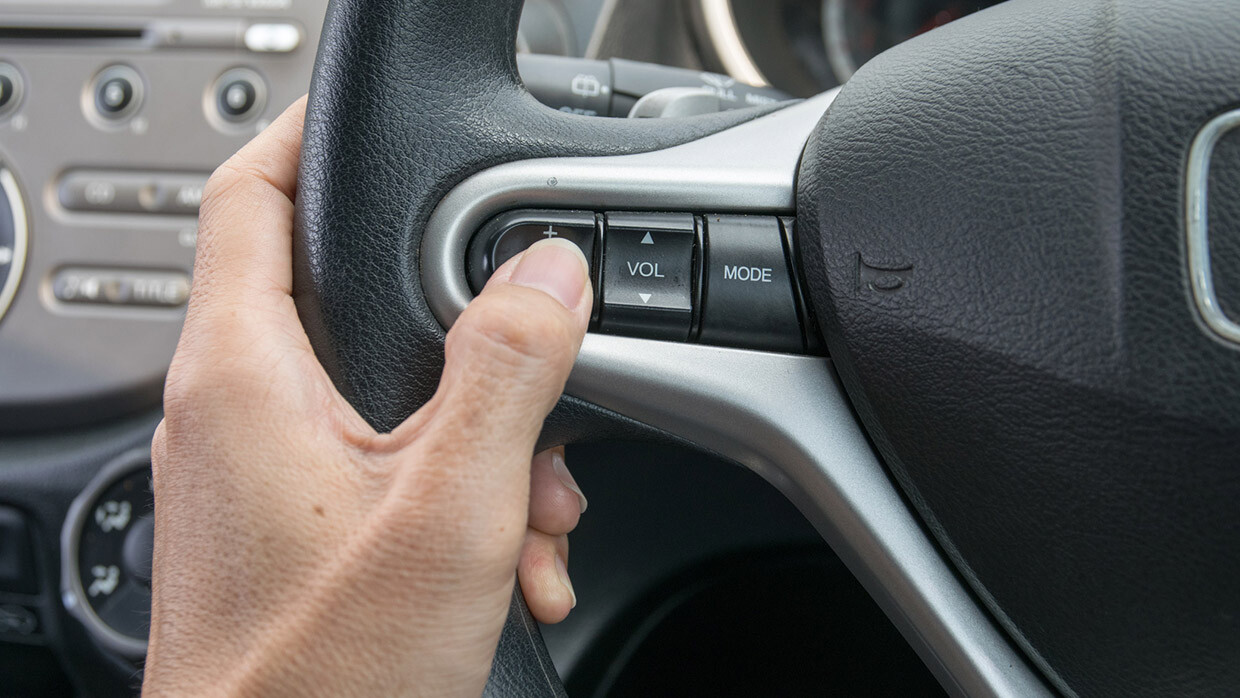
A delayed reaction time can be the difference between an accident and getting home safe. However, people often reduce the speed further during a torrential downpour or if visibility is a problem. Likewise, the road conditions will influence the speed at which they set their cruise control. The cruise control feature in your car often has a minimum speed limit of 25 mph (~40 km/h).
Why You Shouldn’t Use Cruise Control in the Rain
That’s what happened when a group of passengers on a Norwegian Cruise Line ship staged a protest in 2019 after bad weather forced them to miss several ports on their European voyage. Roads are built to withstand different weather conditions in different parts of the country, so if you’re new to an area, use extra caution during or after a storm. If you think your tyres are worn, please drop into Eastern Tyre Centre as soon as you can.
How rain and snow affect cruise control operation
However, the car won’t respond until you press on the brake when cruise control is engaged. There are instances when using cruise control in the rain is not catastrophic. If you have traction control and electronic stability control enabled in your car, using cruise control is extremely safe. How much you slow down (or the reduced speed you set for cruise control) depends on your driving skills and the severity of the rain. The general recommendation is reducing normal speeds by a third in wet conditions.
Set distance for ACC systems
The bigger question, of course, is whether or not it is actually dangerous to use cruise control in the rain. Our sibling site Lifehacker came out supporting the cruise-in-the-rain ban back in 2014, and you can find this issue being discussed, either supporting or debunking, as far back as 2006 at least. The only person the accident victim found who knew this, (besides the Officer), was a man who’d had a similar accident, totaled his car and sustained severe injuries.. The only person I've found out who knew this (besides the patrolman) was a man who had a similar accident and totaled his car. This has made me wonder if this is not why so many of our young people are dying in accidents.
When cruise control is engaged the ‘second’ cable from the actuator moves, moving the throttle cable with it. As a result, you may find that your vehicle’s windows become foggy when you operate it while it is raining. Most cars’ ventilation systems include a function that will reduce this type of fog that develops on the interior of your windows and windshield. It may be necessary to pull over if you can no longer see through your windows.
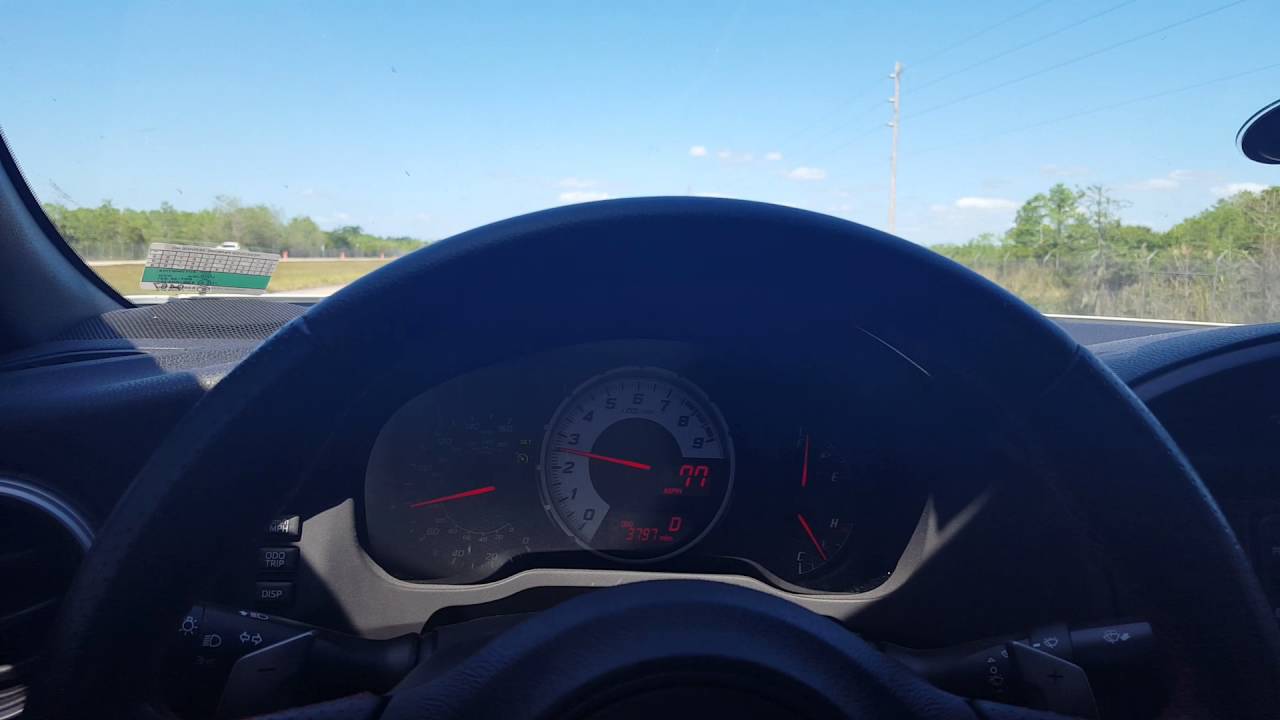
No, but only if you have traction control and electronic stability control enabled in your vehicle. Ice, slush and snow is a different matter because you shouldn’t be travelling fast enough to warrant using cruise control and many vehicles don’t let you set cruise control at less than around 30kph. What makes this dangerous in the wet is aquaplaning (or hydroplaning). Aquaplaning is where your wheels ride up on a cushion of water, essentially sliding over the surface of the water, because the tread in the tires is not deep enough to disperse the water fast enough.
When that happens, it's called Hydroplaning, and it can happen at speeds as low as 35 MPH. While knowing how to use cruise control can reduce leg fatigue, it can require more mental concentration. The car will maintain speed even if road conditions change, so you must carefully pay attention to the road and traffic.
Most states require drivers to turn on their vehicles’ lights while driving in the rain. Even if it is only misting, turning on your vehicle’s headlights will increase your visibility and other drivers’ ability to see your car on the road. Cruise control makes hydroplaning worse by trying to keep your vehicle going at a constant speed. You can disable it by applying your brakes, but if you do not have anti-lock brakes, hitting your brakes while hydroplaning will only worsen the skidding. Rainwater causes the oil and grease on the streets to rise to the top of the water. This creates a slippery surface that causes your car to hydroplane because the tires cannot tread through the water fast enough.
Is it safe to use cruise control in the rain?
Arkansas: Tips on how to drive safely in a rainstorm - 4029tv
Arkansas: Tips on how to drive safely in a rainstorm.
Posted: Mon, 01 Apr 2024 07:00:00 GMT [source]
Hydroplaning is more likely to occur in worn tires, therefore maintaining their condition is another way to avoid losing control of your car in the rain. Set – This sets the cruise control to the speed at which the automobile was when you pressed the button. Cruise control detects your vehicle’s speed and modifies the throttle inputs to maintain that speed.
Try to slow your vehicle by taking your foot off the accelerator earlier than you normally would in preparation to slow down or stop. Don’t use cruise control, so your attention on using both the gas and brake are in tune. In most cars, the feature can be disabled by hitting the brakes, but doing this, it can make the skidding worse, especially if you don’t have anti-locking brakes.
In fact, the increased level of road hazards is also one of the main reasons drivers test get canceled during heavy downpours. I will cover all these versions while explainingthe pertinent safety concerns of using cruise control in the rain. The patrolman said this warning should be listed, on the drivers seat sun-visor - NEVER USE THE CRUISE CONTROL WHEN THE PAVEMENT IS WET OR ICY along with the airbag warning. Over the years I've owned numerous cars, trucks, and motorcycles and have had plenty of experience working on and buying things for them. This site is created to help you make the best decision when it comes to all things car related.
Cruise control in snow and ice is a different matter because you wouldn’t be traveling fast enough to warrant using cruise control. Many vehicles don’t let you set the cruise control at less than 30kph. If you do not have traction control or stability control, cruise control is dangerous in heavier rain or standing water.


No comments:
Post a Comment